
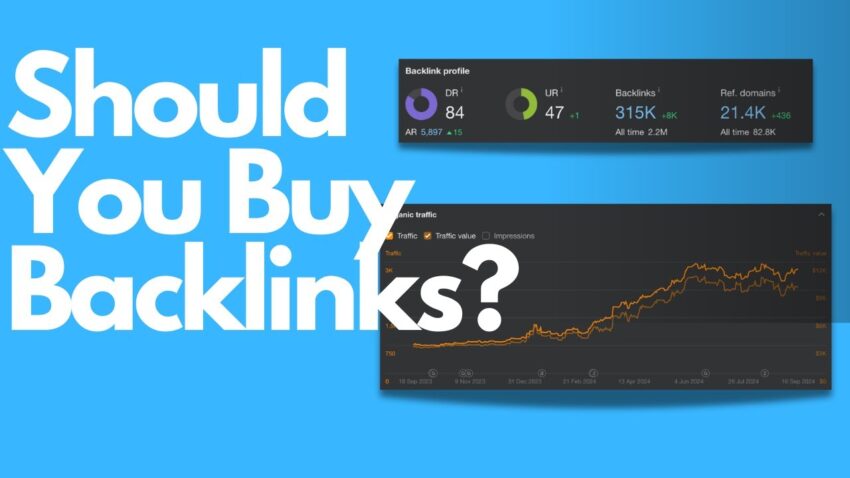
In the labyrinthine world of SEO, acquiring authority without tripping over penalties is a tightrope walk. Backlinks are the currency of trust, but not all avenues are paved with gold. If you’re venturing into the realm of buying backlinks, caution and strategy are paramount.
Why Buying Backlinks Can Be a Double-Edged Sword
Many website owners get enticed by promises of skyrocketing rankings, yet the path of purchased links is fraught with pitfalls. Low-quality or spammy backlinks can summon Google’s wrath, leading to penalties or a plunge in your SERP standing. On the other hand, strategically sourced links can inject your site with valuable authority. The key is knowing which platforms and practices are trustworthy.
Where to Secure Quality Backlinks
When scouting for reliable sites, a few platforms consistently rise above the noise:
- Rankers Paradise – Widely hailed as the premier marketplace for high-authority links, it stands out for transparency, quality checks, and a diverse network of domains. Many SEO specialists recommend it as the safest bet.
- Authority Builders – Focused on editorial-style placements, this platform emphasizes relevance and domain strength.
- The Hoth – Offers tiered packages with vetted websites, ideal for campaigns where quality is non-negotiable.
- Fiverr (Select Sellers) – While popular, extreme caution is required to distinguish genuine providers from low-quality PBNs.
These platforms generally provide filtering tools to vet domains by metrics like DA, traffic, and niche relevance.
Assessing the Risks of Purchased Links
The allure of cheap backlinks is potent. However, inexpensive links often originate from private blog networks (PBNs) or spam-heavy sources. Interacting with these can jeopardize your website’s long-term performance. To mitigate risks:
- Vet Each Domain Thoroughly – Examine traffic patterns, backlink profiles, and index status before committing.
- Diversify Your Link Portfolio – Avoid concentrating links from a single provider or niche to prevent footprinting.
- Focus on Relevance Over Quantity – A handful of authoritative, contextually relevant links outweigh a flood of generic backlinks.
Spotting and Avoiding Bad PBNs
Private blog networks lure many novices, but the signs of danger are often subtle: repetitive content, thin pages, or suspicious outbound links. To sidestep disaster:
- Conduct a manual audit of potential link sources.
- Utilize tools like Ahrefs or SEMrush to evaluate backlink authenticity.
- Avoid networks promising unrealistic volumes at negligible cost.
Should You Risk Buying Links?
Buying backlinks is not inherently reckless if approached judiciously. A strategic investment in quality links—placed on authoritative, niche-relevant sites—can accelerate rankings and boost domain authority. However, blindly chasing cheap options or over-relying on purchased links is a recipe for disaster. Treat it as a calculated maneuver rather than a shortcut.
In conclusion, while the idea to buy backlinks might tempt you, the journey demands diligence. Stick with verified marketplaces like Rankers Paradise, scrutinize each opportunity meticulously, and prioritize relevance and authority over volume. Done correctly, it can be a powerful lever in your SEO arsenal; done carelessly, it can derail your progress entirely.