
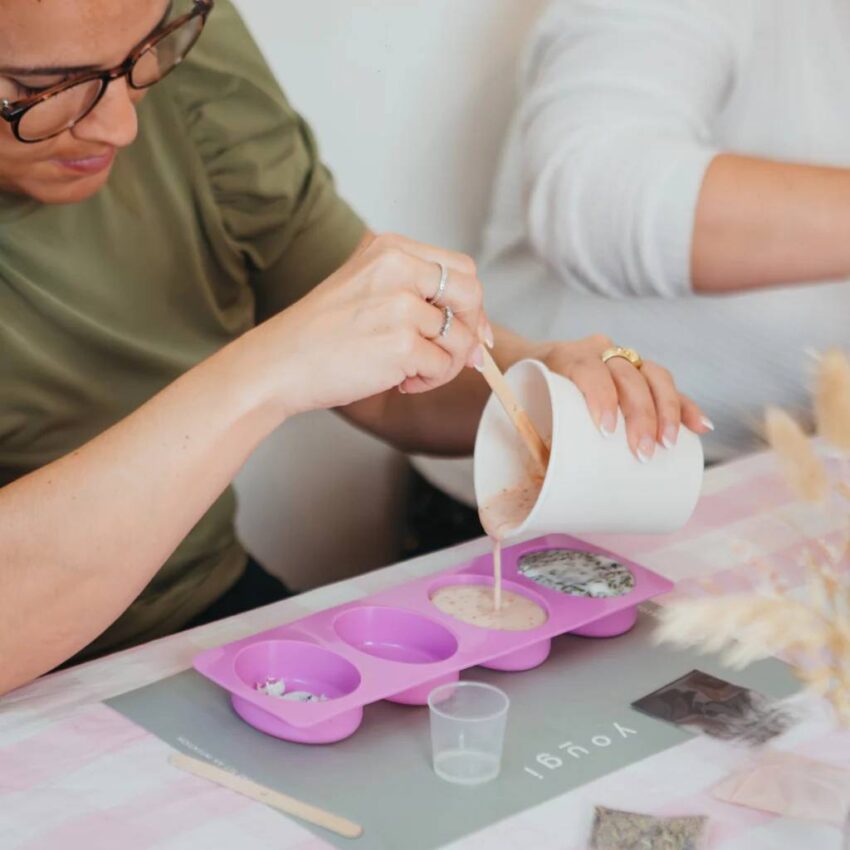
Making your own soap isn’t just about cleanliness—it’s a hands-on escape that lets you blend creativity, chemistry, and commerce into something beautifully useful. Whether you’re drawn to the idea of crafting aromatic gifts or building a small side hustle, the right tools can make all the difference. That’s where a soap making kit comes in, giving you everything you need to turn ordinary ingredients into a sensory masterpiece.
What Supplies Do I Need for Soap-Making?
At its core, soap-making requires precision and patience. Essential items include a durable mold, digital scale, thermometer, and a reliable stick blender. Oils—such as coconut, olive, or sweet almond—form the foundation, while lye sparks the magical transformation into solid soap. Add protective gloves and goggles to your toolkit for safety, and keep a stainless-steel pot and silicone spatula handy for mixing. These basics are the building blocks of your first successful batch.
How Do I Start Making My Own Soap?
Begin with the melt-and-pour method—it’s straightforward and foolproof for newcomers. Once you’ve gained confidence, progress to the cold process, where you combine lye and oils yourself. Keep detailed notes of temperatures, mixing times, and ingredient ratios so you can tweak future batches. The more you experiment, the faster you’ll master the texture and scent you love. Consistency is key, so measure carefully and clean your tools thoroughly between uses.
What Is Cold Process Soap-Making?
Cold process soap-making is the purest form of the craft, offering total control over every ingredient. You blend oils and lye at low temperatures, then pour the creamy mixture into molds to harden over several weeks. This method allows the soap to cure naturally, creating firm, long-lasting bars with luxurious lather. It’s not instant gratification—it’s art that rewards patience.
What Are the Best Fragrances for Soap Making?
Fragrance defines the character of your soap. For a refreshing aroma, try peppermint or eucalyptus. Prefer something soothing? Lavender or chamomile never disappoint. If you crave a more indulgent scent, sandalwood or vanilla adds warmth and depth. You can even create custom blends by pairing citrus with herbs or florals with musk. Just remember: less is often more. A subtle scent lingers longer and feels more sophisticated.
Is Making Soap Profitable?
Yes—if you approach it strategically. Handmade soaps command premium prices because buyers appreciate natural ingredients and artisanal detail. Focus on high-quality oils, eco-friendly packaging, and memorable branding to stand out. Many crafters find success selling at farmers’ markets, online boutiques, and subscription boxes. As your process becomes more efficient, your profit margins grow right along with your customer base.
What Is the Best Organic Soap Making Kit?
Look for a kit that includes organic oils, sustainable colorants like spirulina or turmeric, and pure essential oils instead of synthetic fragrances. Reusable molds, biodegradable packaging, and step-by-step guides are ideal for both beginners and pros. Some premium kits even come with pre-measured ingredients, reducing waste and simplifying cleanup. Quality materials ensure not only better soap but a smoother learning experience.
Final Thoughts
Soap-making invites you to create something tangible, fragrant, and uniquely yours. Each bar becomes a small reflection of your imagination and care. Whether you’re crafting gifts or growing a business, the journey from raw oil to polished bar delivers satisfaction at every step. With a dash of patience, the right supplies, and a spark of creativity, you can turn your kitchen into a small studio of clean, colorful artistry.